
Nabatean Well
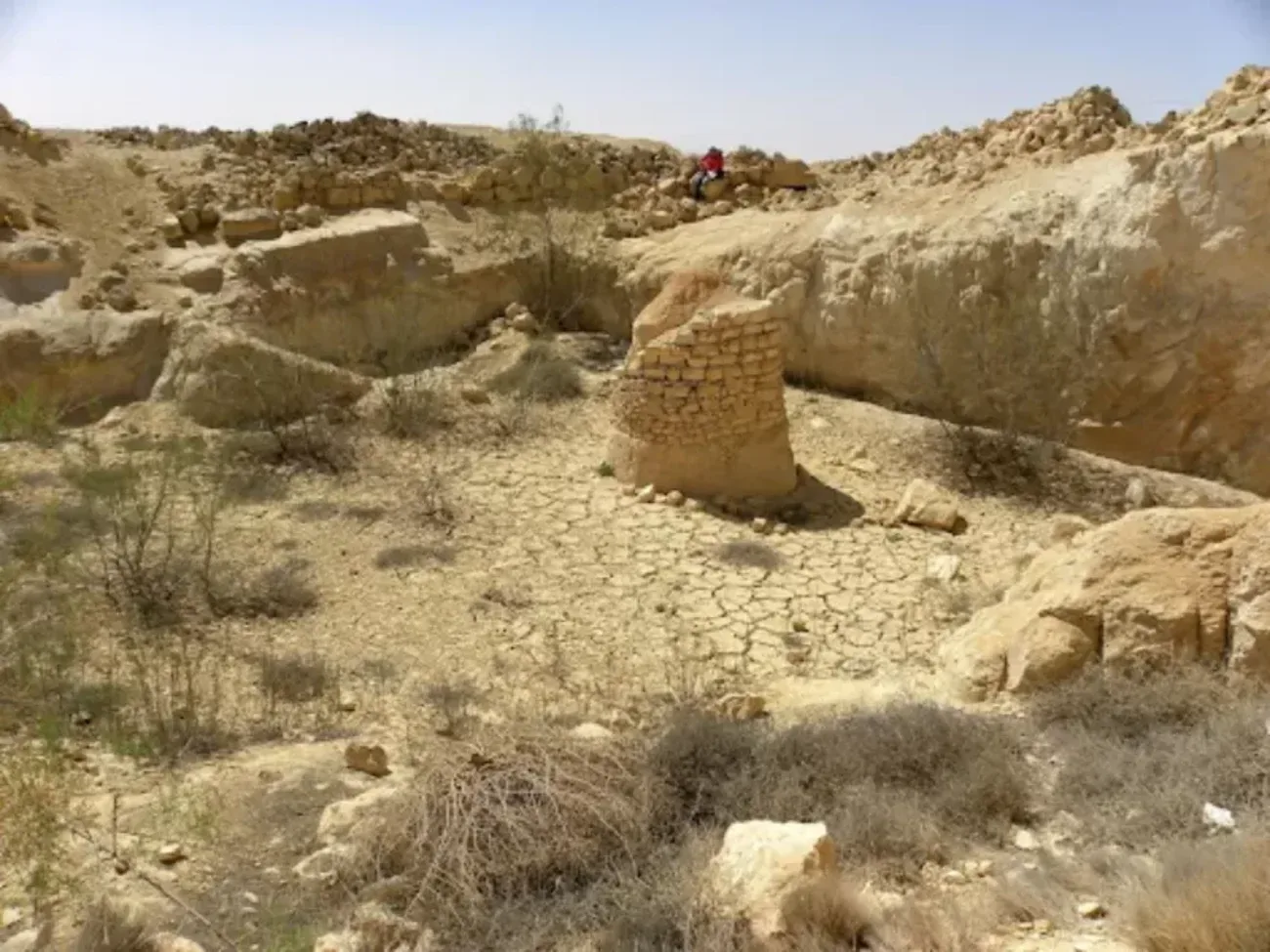
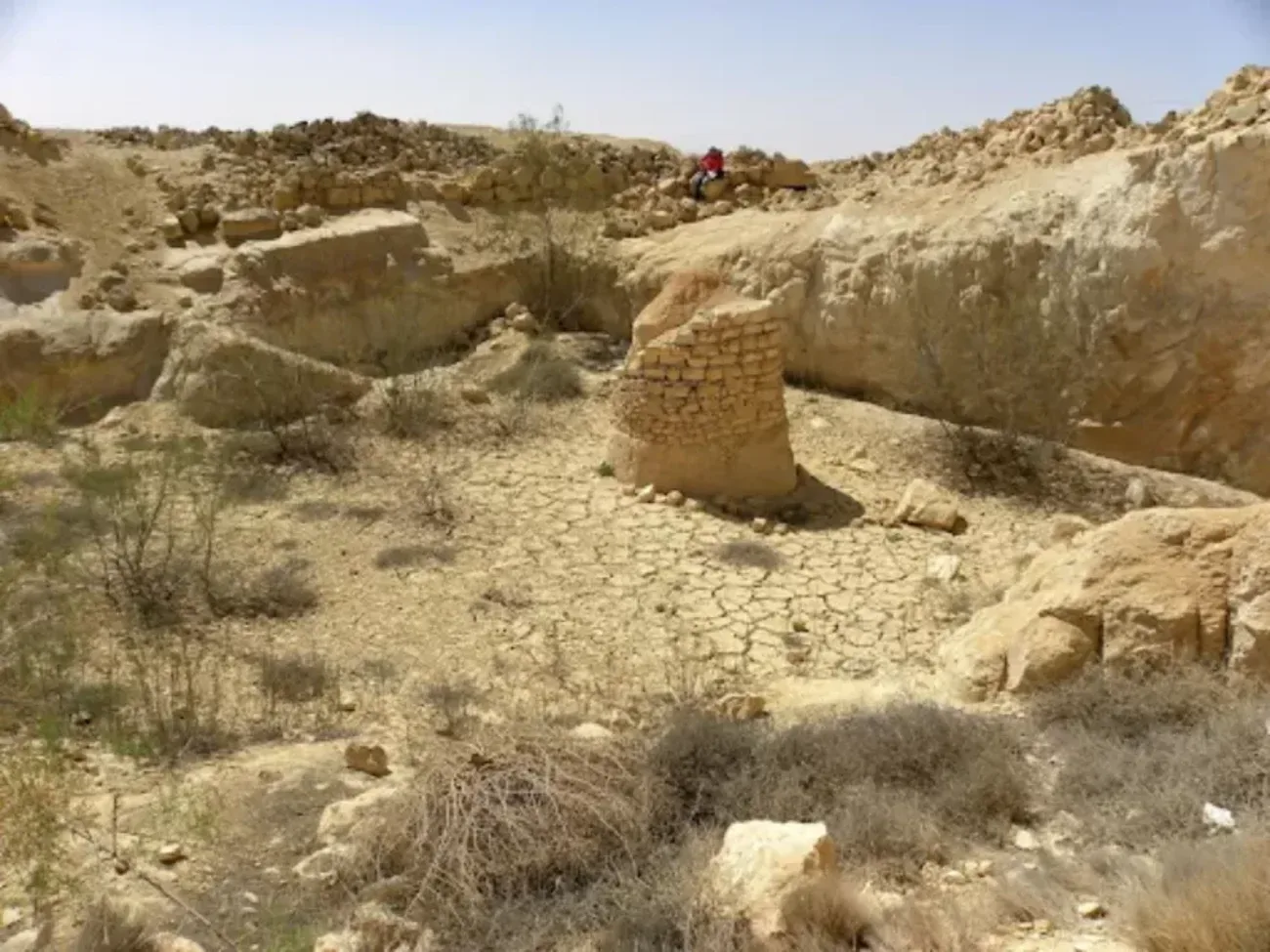
Nabatean Well: A Timeless Testimony of Ingenious Water Engineering in AlUla
The Nabatean Well in AlUla, Saudi Arabia, stands as a remarkable testament to the ancient Nabatean civilization’s mastery of hydraulic engineering and sustainable desert living. This ancient structure, carved deep into the golden sandstone, was far more than a simple water source—it was the lifeblood of an empire that thrived amid arid landscapes and unforgiving climates. Located near the majestic Madain Saleh (Hegra), the Nabatean Well continues to captivate historians, archaeologists, and travelers eager to uncover the mysteries of AlUla’s rich heritage.
The Nabateans, best known for building the rose-red city of Petra, extended their reach deep into the Arabian Peninsula, creating a network of settlements and trade routes that connected the Mediterranean with the Arabian Gulf. To survive in these harsh desert conditions, they developed innovative techniques to collect, store, and manage water—none more impressive than the Nabatean Well. This ancient water system didn’t merely serve utilitarian purposes; it symbolized the Nabateans’ profound understanding of nature, geology, and survival.
Today, as Saudi Arabia’s tourism scene flourishes with curated Alula Day Tours and immersive heritage experiences, the Nabatean Well has emerged as an iconic stop on the journey through AlUla’s timeless wonders. Let’s dive deeper into the history, design, and cultural legacy of this extraordinary monument.
The Historical Significance of the Nabatean Well in AlUla
The Nabatean Well dates back over 2,000 years, to a time when AlUla was a thriving oasis city positioned along the incense and spice trade routes. This strategic location allowed the Nabateans to flourish economically and culturally. However, sustaining life amid such a desolate region demanded exceptional ingenuity. The well’s significance lies not only in its functionality but also in its role as a communal hub for travelers, merchants, and locals alike.
Much like the urban sophistication found in Dadan and Jabal Ikmah, the Nabatean Well exemplifies early innovations that predate many modern water systems. Its enduring structure reflects an era of prosperity rooted in intelligent design and environmental adaptation.
Engineering Marvel of the Nabatean Civilization
Carved from solid rock, the Nabatean Well features a spiral staircase descending to the water table, enabling the extraction of water even during dry seasons. The design incorporates channels and basins that collected rainwater, filtered through natural sediment to ensure purity. This self-sustaining system demonstrates the Nabateans’ advanced grasp of hydrology—a scientific marvel by any ancient standard.
Similar techniques were applied at the monumental tombs of Al Farid Palace and Qasr Al Bint in Hegra, where water channels and reservoirs sustained both life and ritual. The Nabatean Well thus underscores a civilization that mastered the desert’s challenges long before modern technology.
Symbolism and Cultural Value
The Nabatean Well wasn’t just a practical tool; it held deep cultural meaning. In Nabatean beliefs, water represented purity, life, and divine favor. Wells were sacred spaces often associated with prosperity and protection. The very act of carving water channels into stone signified humanity’s cooperation with nature—a philosophy that resonates with sustainability advocates today.
Travelers visiting AlUla through curated AlUla Tours Packages can witness these ancient values firsthand, exploring how the Nabateans achieved harmony between architecture, environment, and spirituality.
Modern Tourism and Preservation of the Nabatean Well
Preservation efforts led by the Royal Commission for AlUla aim to protect the Nabatean Well as part of a broader initiative to safeguard the region’s archaeological heritage. Visitors arriving via the AlUla International Airport can explore restored sites, including Maraya Theatre, blending ancient history with modern art and architecture.
Whether you join a AlUla Holiday Package or embark on a specialized cultural journey, the Nabatean Well offers an unforgettable glimpse into humanity’s enduring relationship with water and survival.
Exploring the Legacy of the Nabatean Well
The Nabatean Well continues to attract researchers and tourists eager to understand how ancient civilizations managed resources in one of the world’s harshest environments. With Saudi Arabia’s commitment to heritage tourism, sites like this are becoming essential educational hubs that bridge the gap between past and present.
Pairing a visit to the well with other nearby attractions such as Elephant Rock and Old Town AlUla creates a comprehensive journey through AlUla’s layered history, blending natural beauty with cultural discovery.
Visitor Experience and Travel Tips
When exploring the Nabatean Well, wear comfortable shoes suitable for rocky terrain and bring sufficient water, as desert temperatures can soar. Guided tours often provide historical insights and access to restricted areas, enriching the experience with stories of trade caravans, desert rituals, and ancient craftsmanship.
Consider extending your stay with a AlUla Short Break Winter Season to enjoy the cooler months, when the desert’s beauty shines brightest and photography conditions are exceptional.
Why the Nabatean Well Matters Today
In our modern era of environmental challenges, the Nabatean Well serves as a stark reminder of how ancient societies valued water as a sacred, shared resource. Its continued preservation promotes not just tourism but also awareness about sustainable resource management. The Nabateans’ innovations—developing cisterns, wells, and reservoirs to capture every drop—mirror the very principles modern engineers embrace to combat water scarcity.
The site’s cultural and educational impact further strengthens Saudi Arabia’s position as a rising global destination for heritage and eco-tourism. Visitors discovering AlUla’s treasures often combine their trip with broader Saudi Arabia Travel Packages, exploring landmarks that tell the greater story of Arabian civilization.
Frequently Asked Questions About the Nabatean Well
1. Where is the Nabatean Well located?
The Nabatean Well is located in AlUla, northwest Saudi Arabia, near the UNESCO World Heritage Site of Madain Saleh (Hegra). This area is known for its rich Nabatean heritage and stunning desert landscapes.
2. Who built the Nabatean Well?
It was built by the Nabateans, an ancient Arab civilization renowned for their architectural and engineering prowess, most famously displayed in Petra, Jordan. Their expansion into northern Arabia included the creation of sophisticated water systems like the Nabatean Well.
3. What is unique about the Nabatean Well’s design?
The well’s design features a rock-carved spiral staircase leading to underground water sources, along with channels and basins that ensured efficient water collection and storage. It exemplifies advanced engineering adapted to desert conditions.
4. Can tourists visit the Nabatean Well?
Yes, the site is open to visitors as part of guided Alula Day Tours and heritage experiences. Access is managed to preserve the site’s integrity while allowing tourists to explore its fascinating structure.
5. Why is the Nabatean Well important today?
Beyond its historical significance, the Nabatean Well symbolizes sustainable innovation. It teaches modern societies about ancient water conservation methods, echoing principles crucial for today’s environmental stewardship.