
Sharaan Nature Reserve
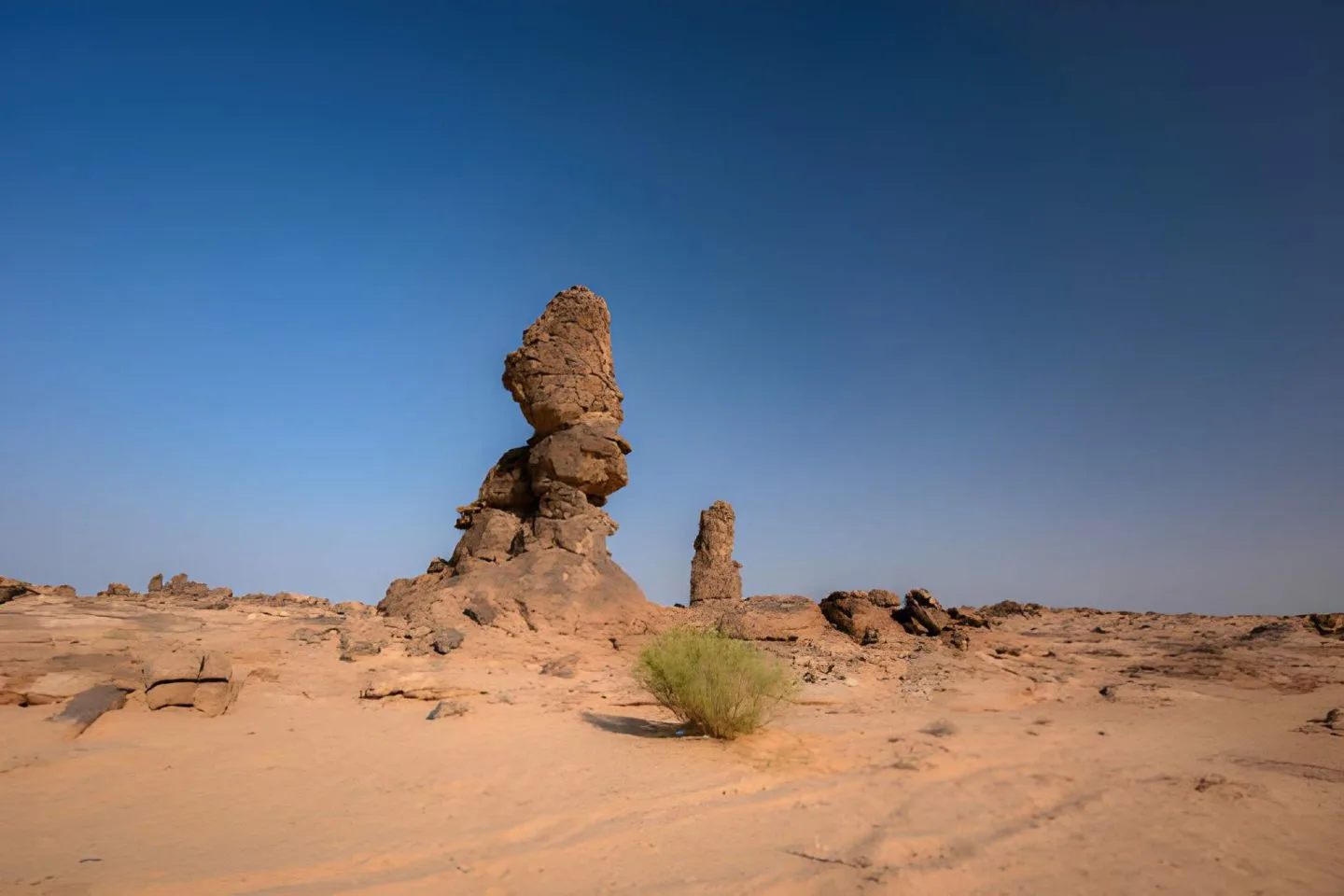
Sharaan Nature Reserve: Saudi Arabia’s Hidden Gem of Desert Wilderness and Heritage
Nestled in the heart of AlUla, the Sharaan Nature Reserve stands as one of Saudi Arabia’s most breathtaking natural sanctuaries, blending stunning geological formations, ancient history, and a bold vision for sustainable tourism.
This protected ecosystem, which covers around 1,500 square kilometers, is a crown jewel within AlUla’s landscape—a region already celebrated for its UNESCO-listed wonders like Madain Saleh (Hegra).
The Sharaan Reserve offers visitors a rare opportunity to explore Arabia’s raw beauty while witnessing the Kingdom’s commitment to conservation and ecological revival. From reintroduced wildlife to awe-inspiring sandstone canyons, every inch of Sharaan whispers stories of time, transformation, and tranquility.
What makes Sharaan Nature Reserve so extraordinary isn’t just its scenery—though that’s reason enough to visit—but its philosophy. Guided by Vision 2030, Saudi Arabia’s ambitious national strategy to diversify its economy and protect its environment, the reserve merges luxury with sustainability.
The world-renowned architect Jean Nouvel designed a visionary resort carved seamlessly into the cliffs of Sharaan, ensuring minimal environmental impact while maximizing the experience of the desert’s natural drama.
This balance of preservation and progress positions Sharaan as a model for eco-tourism not only in the Middle East but globally. Whether you’re an adventurer, nature lover, or history buff, Sharaan Nature Reserve invites you to rediscover the Arabian landscape through a new lens—one that respects its past and envisions a regenerative future.
Exploring the Location of Sharaan Nature Reserve in AlUla
Sharaan Nature Reserve is located in the AlUla Governorate of northwestern Saudi Arabia, about 25 kilometers east of Old Town AlUla. Accessible via AlUla International Airport, the reserve sits within a majestic desert valley surrounded by towering sandstone cliffs sculpted by wind and time.
These dramatic rock formations—painted in hues of red, orange, and gold—create a surreal backdrop for wildlife observation, hiking, and photography. The area is rich in geological history, representing millions of years of natural evolution that have shaped its terrain into a living museum of Earth’s artistry. Modern travelers often pair a journey to Sharaan with visits to Maraya Theatre or Elephant Rock, making AlUla one of the most complete cultural and eco-tourism destinations in the Kingdom.
Geological Wonders and Desert Landscapes
The geology of Sharaan Nature Reserve is nothing short of mesmerizing. Its sandstone cliffs, carved by centuries of erosion, stand as silent guardians of the Arabian desert. Within these formations lie hidden caves, narrow gorges, and vast plateaus that capture the imagination of every traveler.
The reserve shares geological similarities with Jabal Ikmah, known for its ancient inscriptions. These rock formations serve as both natural monuments and historical documents, preserving the stories of civilizations that once thrived in northwestern Arabia. As the sun rises and sets, the shifting light transforms the landscape into a canvas of vibrant colors—a photographer’s dream and a hiker’s paradise.
Conservation and Wildlife Restoration Efforts in Sharaan Reserve
One of the most remarkable aspects of Sharaan Nature Reserve is its pioneering conservation program. Before 2018, the area suffered from overgrazing and hunting, leading to a dramatic decline in native species. Today, thanks to the Royal Commission for AlUla (RCU), the ecosystem has been restructured and rejuvenated.
The reserve has successfully reintroduced several indigenous species, including the Arabian oryx, Nubian ibex, and red-necked ostrich. These efforts are backed by a network of rangers, scientists, and local communities dedicated to preserving biodiversity.
This restoration aligns perfectly with Saudi Arabia’s broad environmental goals, showcasing its commitment to becoming a leader in sustainable tourism. The Sharaan Reserve employs advanced monitoring technologies to track animal populations and protect fragile habitats.
Visitors often notice that silence reigns supreme here—a quiet only interrupted by the faint call of birds or the whisper of desert winds. By re-establishing balance between humans and nature, Sharaan has become a living example of how conservation and tourism can coexist harmoniously.
Eco-Tourism and Sustainable Travel in AlUla
Eco-tourism is at the heart of the Sharaan experience. The upcoming Sharaan Resort, designed by Pritzker Prize-winning architect Jean Nouvel, is being built entirely within the rock formations, inspired by Nabatean architecture similar to that found in Al Farid Palace. The concept ensures that the natural landscape remains untouched, blending ancient inspiration with modern innovation.
Solar energy, water recycling systems, and limited guest access ensure minimal environmental impact. This model of sustainable luxury is attracting global attention, positioning Sharaan as a must-visit destination for conscious travelers seeking authenticity without compromise.
The Cultural and Historical Significance of Sharaan Nature Reserve
Beyond its natural splendor, Sharaan is deeply intertwined with the history of AlUla. The reserve lies near archaeological treasures linked to the Dadanite and Lihyanite civilizations, as well as the Nabateans who built Hegra. Ancient trade routes once crossed these valleys, connecting Arabia to the Mediterranean world.
Visitors exploring nearby sites like Dadan and Qasr Al Bint often find themselves marveling at how seamlessly nature and history intertwine here. Sharaan’s cliffs, with their sculpted patterns and ancient carvings, serve as silent narrators of Arabia’s enduring legacy.
Architectural Inspiration and the Sharaan Resort Vision
The Sharaan Resort is more than a luxury destination—it’s a tribute to the ingenuity of desert architecture. Jean Nouvel’s design evokes the Nabatean tradition of carving structures within mountains, reflecting a profound respect for nature’s integrity.
The resort will feature guest suites, a spa, and cultural spaces embedded within the sandstone cliffs, offering panoramic views that merge modern comfort with untouched wilderness. When completed, it’s expected to redefine desert hospitality, placing Sharaan among the world’s most exclusive eco-luxury retreats.
Adventure and Outdoor Experiences in Sharaan Nature Reserve
For thrill-seekers and nature enthusiasts, Sharaan offers endless outdoor adventures. Hiking trails wind through canyons, while guided wildlife safaris allow visitors to spot Arabian oryx and gazelles in their natural habitat. Photography tours capture the reserve’s surreal beauty, especially during golden hours when sunlight bathes the cliffs in amber hues.
Stargazing is another unmissable experience—thanks to low light pollution, the night sky here reveals a dazzling display of constellations. Those interested in immersive cultural experiences can also explore nearby attractions like AlJadidah Arts District, where art installations and local crafts reflect the creative spirit of AlUla.
Best Time to Visit and Climate Conditions
The ideal time to visit Sharaan Nature Reserve is between October and April when temperatures are mild, ranging from 15°C to 28°C. Summers can become intensely hot, making early morning and sunset tours more comfortable.
Visitors planning a broader exploration can coordinate their trip with seasonal travel recommendations in Saudi Arabia to make the most of their journey. The cooler months provide an excellent opportunity to enjoy hiking trails, wildlife viewing, and cultural festivals across AlUla without the discomfort of extreme heat.
How to Reach Sharaan Nature Reserve
Reaching Sharaan is relatively straightforward. The nearest airport is AlUla International Airport, which connects directly to Riyadh, Jeddah, and other major Saudi cities. From the airport, private transfers or guided Saudi Arabia Travel Packages can take visitors to the reserve’s entry points.
Travelers can also embark on a scenic Riyadh to AlUla road trip for a more immersive experience of the desert’s vastness. Once inside the reserve, access is regulated to protect wildlife and natural habitats. Guided excursions are recommended for safety, education, and sustainable enjoyment.
Final Thoughts on Visiting Sharaan Nature Reserve
Sharaan Nature Reserve stands as a symbol of Saudi Arabia’s new era—one where heritage, nature, and modernity converge beautifully. It’s more than a destination; it’s a powerful statement about the country’s respect for its environment and history.
Whether you’re drawn by the promise of wild landscapes, architectural brilliance, or spiritual tranquility, Sharaan promises something extraordinary. As the reserve continues to evolve, it will undoubtedly remain a cornerstone of Saudi Arabia’s sustainable tourism movement, inviting travelers to connect with the desert in ways that are both unforgettable and responsible.
Frequently Asked Questions About Sharaan Nature Reserve
1. What makes Sharaan Nature Reserve unique compared to other reserves in Saudi Arabia?
Sharaan stands out for its blend of natural beauty, cultural heritage, and innovative sustainability practices. Unlike many other reserves, it combines eco-friendly luxury with a focus on conservation, reintroducing native species and protecting fragile ecosystems while offering visitors an intimate connection with Arabia’s wilderness.
2. Can tourists stay overnight within the reserve?
Yes, but only at the exclusive Sharaan Resort, which is still under development. Once operational, it will provide an unparalleled experience—luxury accommodations carved into the cliffs—allowing guests to sleep within the heart of the desert without disturbing its natural balance.
3. What wildlife can be seen at Sharaan Nature Reserve?
Visitors may encounter Arabian oryx, Nubian ibex, red foxes, sand gazelles, and numerous bird species. The reserve’s rewilding program continues to expand, ensuring these animals thrive in a protected environment.
4. Is Sharaan suitable for families and casual travelers?
Absolutely. While adventurers love its rugged terrain, families appreciate its guided tours, educational experiences, and wildlife viewing opportunities. The reserve’s accessibility and safety protocols make it ideal for visitors of all ages.
5. What other attractions can visitors explore near Sharaan?
Nearby highlights include Madain Saleh, Maraya Theatre, Jabal Ikmah, and Elephant Rock. Travelers can also enjoy cultural events, local cuisine, and art exhibitions in AlUla’s heritage districts.