
Diwan Tomb
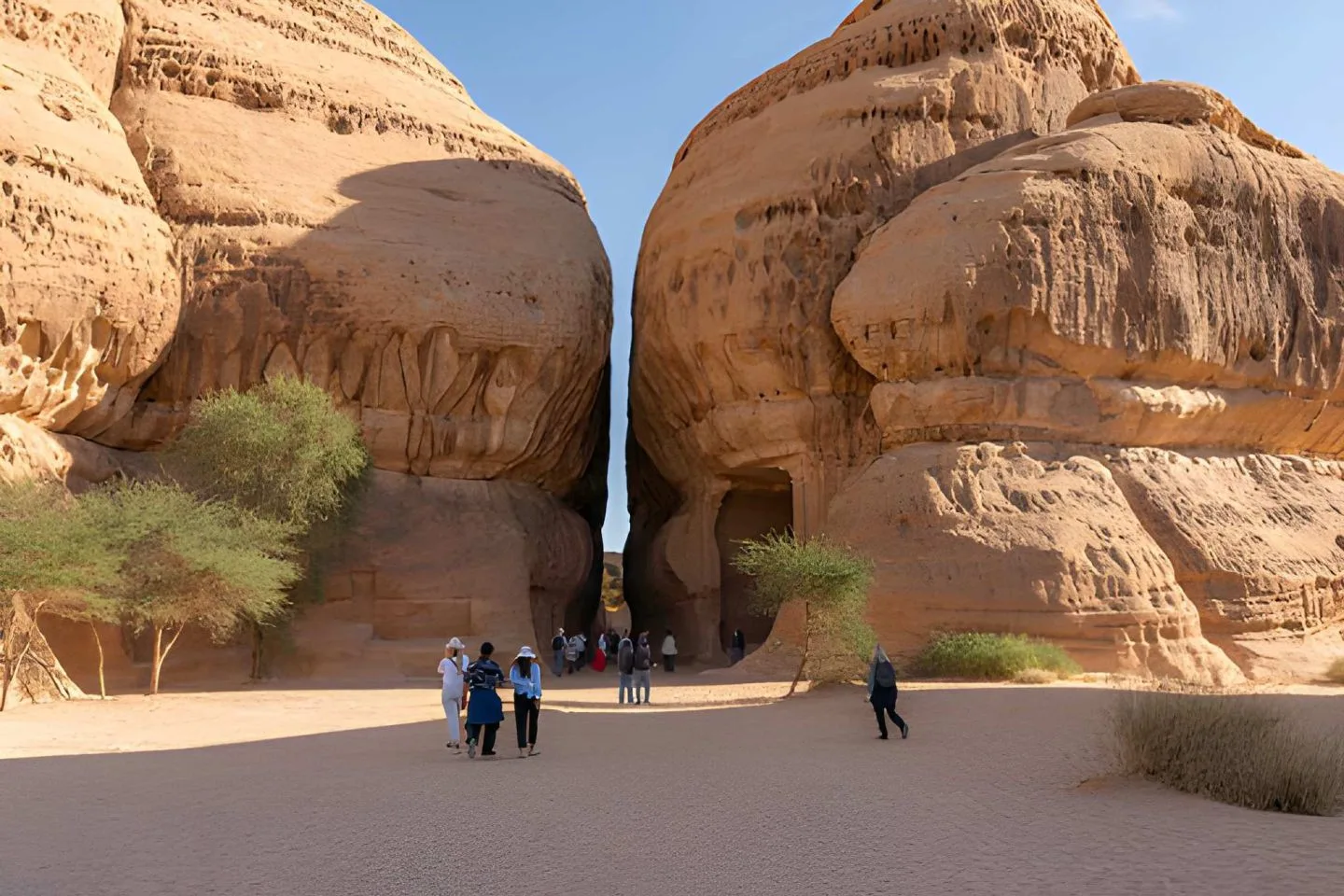
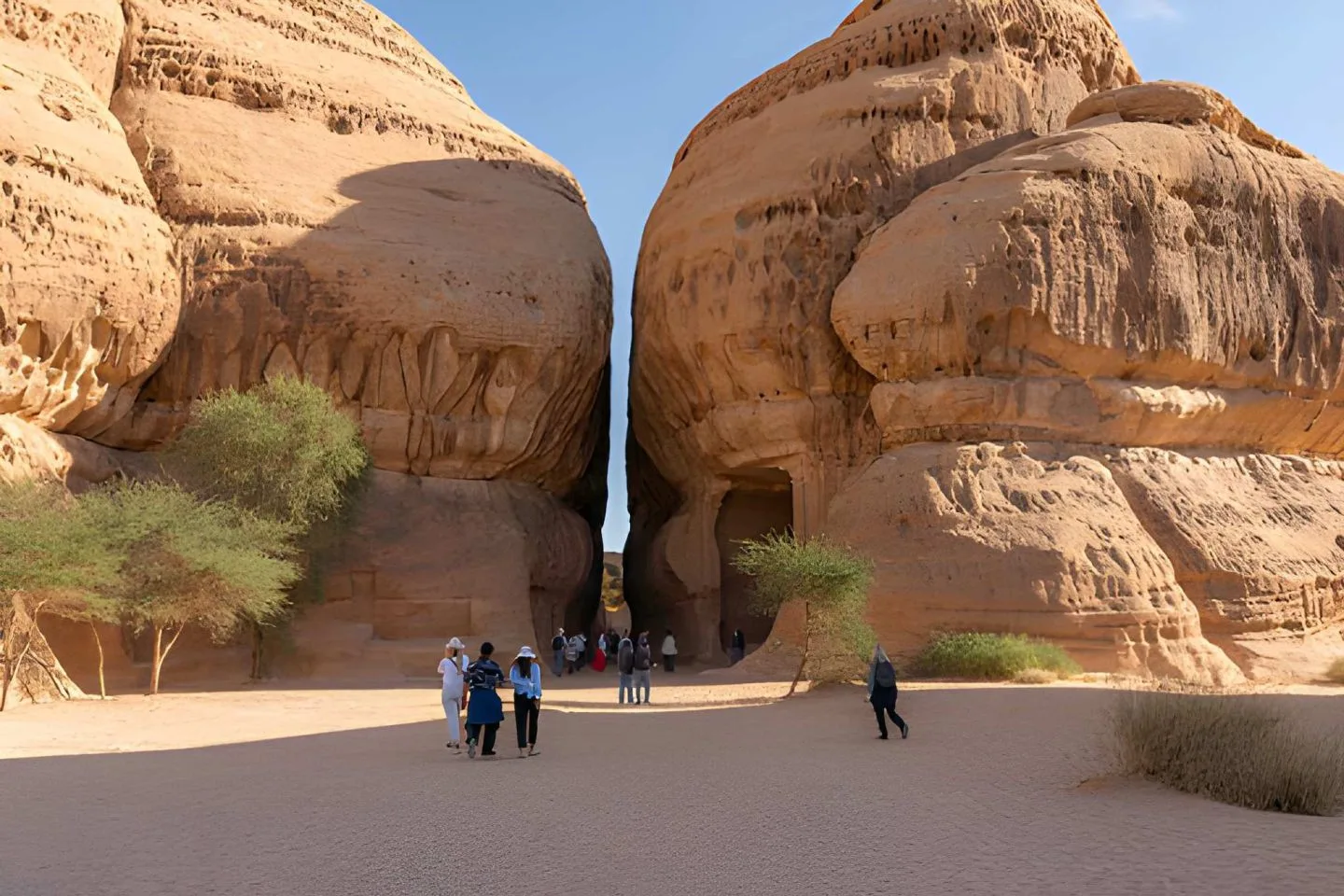
Diwan Tomb: The Breathtaking Nabatean Monument of AlUla
Amid the desert landscapes of AlUla, Saudi Arabia, stands the Diwan Tomb—a majestic Nabatean structure that whispers stories from a bygone civilization. This ancient rock-carved monument invites travelers, historians, and photographers to step back in time and uncover the mystique of Arabia’s pre-Islamic past.
Intricately hewn from sandstone cliffs, the Diwan Tomb forms part of the larger Madain Saleh (Hegra) complex, a UNESCO World Heritage site celebrated for its architectural genius and spiritual depth.
The tomb serves not only as a historical treasure but also as a testament to the craftsmanship and cultural sophistication of the Nabateans, who thrived centuries before modern civilization reached this region.
Whether you're an archaeology enthusiast or a curious traveler seeking to explore the timeless wonders of Saudi Arabia, Diwan Tomb offers one of the country's most extraordinary heritage experiences.
From its awe-inspiring rock facades to its symbolic carvings, every inch of the Diwan Tomb weaves a tale of divine artistry and human devotion—a must-visit for those who crave meaningful encounters with history.
For those planning to explore the surrounding heritage trail, combining a visit to the Diwan Tomb with nearby landmarks such as Madain Saleh (Hegra), Dadan, and Jabal Ikmah makes for an unforgettable cultural journey across the heart of AlUla.
Don’t miss the chance to experience Al Farid Palace and the serene beauty of Sharaan Nature Reserve while indulging in one of the most remarkable Saudi Arabia Tours available.
The Historical Significance of Diwan Tomb
The Diwan Tomb, often referred to as Al Diwan, holds immense archaeological and cultural significance. Carved during the Nabatean period, around the 1st century BCE to 1st century CE, this structure is believed to have served as a ceremonial chamber, possibly used for religious rituals or official gatherings.
The Nabateans, known for establishing the prosperous city of Petra in Jordan, extended their influence deep into northwestern Arabia, leaving behind architectural marvels like Diwan Tomb in Hegra. The tomb’s elaborate façade, symmetrical geometry, and inscriptions illustrate their advanced understanding of engineering, art, and spirituality.
Researchers suggest that the site may have been part of a larger ritual network that connected sacred spaces across AlUla—a region abundant with tombs, temples, and rock art.
Visitors today can feel the aura of antiquity as they walk among sandstone formations that have withstood millennia of wind and time. The Diwan Tomb embodies the Nabateans’ architectural philosophy—merging the divine with the natural world, blending rock and faith seamlessly.
For heritage travelers seeking deep insight into Saudi Arabia’s early civilizations, exploring Diwan Tomb offers a profound experience that rivals even world-renowned archaeological sites.
Architectural Design and Symbolism
The striking façade of the Diwan Tomb reflects the Nabatean penchant for symmetry and sacred symbolism. The doorway is framed by precise angular lines, crowned with a triangular pediment and crowned with a series of carved steps that represent the ascent to the heavens.
Inside, the chamber reveals smooth walls and benches carved directly from the sandstone—a simple yet majestic design that hints at the tomb’s ritualistic purpose. Unlike ordinary burial chambers, the Diwan Tomb’s open-plan interior suggests that it was used for communal worship or royal assemblies rather than interment.
Every chisel mark tells a story, every curve embodies meaning, and every shadow that dances across the walls at sunset captures the timeless spirit of the Nabatean people.
Nearby structures such as Qasr Al Bint and the Nabatean Well further emphasize the Nabateans’ mastery of architecture and water engineering—remarkable in such an arid environment.
Spiritual and Cultural Dimensions of Diwan Tomb
The Diwan Tomb transcends the concept of a mere historical ruin; it embodies a sacred landscape where ancient beliefs, rituals, and art converge. Archaeologists theorize that the site’s acoustics, spatial orientation, and proximity to the cliffs of Jabal Ithlib were deliberate, designed to enhance ceremonies dedicated to divine entities such as Dushara, the principal Nabatean god.
This intertwining of faith and environment reflects the Nabateans’ holistic worldview—a civilization that saw nature not as separate from spirituality but as a living extension of it. For visitors, standing within Diwan Tomb evokes awe and reverence, as if time itself pauses to honor the voices of the ancients.
Exploring Diwan Tomb Today: A Visitor’s Perspective
Modern travelers visiting AlUla can explore Diwan Tomb as part of guided heritage tours that delve into Saudi Arabia’s archaeological wonders. The site is accessible from the AlUla Heritage Village area, with well-maintained paths and expert-led excursions that narrate the tomb’s significance in vivid detail.
Early morning and late afternoon visits are ideal for photography since the desert sun paints the sandstone with hues of gold and crimson. For those passionate about historical exploration, adding Diwan Tomb to a curated Saudi Arabia Travel Package ensures an enriching experience that combines culture, adventure, and discovery.
Don’t forget to explore nearby natural wonders like Elephant Rock and the artistic ambiance of AlJadidah Arts District—both offering excellent backdrops for reflection after immersing yourself in the spiritual atmosphere of Diwan Tomb.
Preservation Efforts and Future Tourism Development
Saudi Arabia’s Vision 2030 has placed heritage tourism at the forefront of its national development strategy, and Diwan Tomb stands as a proud emblem of this cultural movement. The Royal Commission for AlUla (RCU) has invested heavily in preservation, ensuring that the tomb’s delicate carvings and natural surroundings remain protected from erosion and human interference.
Advanced 3D mapping, laser scanning, and sustainable visitor management systems are employed to safeguard the site while enhancing accessibility. The RCU’s initiatives have turned AlUla into a global destination for experiential travelers, transforming sites like Diwan Tomb into cultural milestones that bridge ancient legacy and modern tourism. Visitors not only learn but also participate in preserving one of humanity’s most cherished heritages.
Why Diwan Tomb Captures the Heart of Every Traveler
Diwan Tomb captivates visitors through its intricate details, storied past, and mystical aura. Its sandstone hues glow warmly under the desert sun, exuding a timeless allure that transports you to the Nabatean era.
Whether you’re tracing the chisels of long-forgotten artisans or simply soaking in the serene desert silence, Diwan Tomb’s atmosphere evokes wonder and introspection. The monument serves as a profound reminder that civilization’s footprints endure even in the most arid of landscapes.
It’s not just about seeing a tomb—it’s about feeling the pulse of a civilization that once thrived on trade, culture, and spirituality.
Travel Tips for Visiting Diwan Tomb in AlUla
When planning your trip to Diwan Tomb:
- Prioritize timing and preparation. Early morning visits offer cooler temperatures and softer lighting for photography, while sunset provides a mesmerizing glow that enhances the tomb’s carvings.
- Wear comfortable footwear, bring plenty of water, and consider combining the visit with other AlUla sites such as the Old Town AlUla or the modern Maraya Theatre.
- Booking guided tours ensures you uncover hidden details about Nabatean life, trade routes, and spiritual practices.
Diwan Tomb is a destination best experienced slowly—with curiosity, respect, and a keen eye for history’s subtleties.
Unveiling the Nabatean Legacy Through Diwan Tomb
The Nabateans were more than skilled traders; they were visionary architects and cultural diplomats. Their influence stretched from the Levant to Arabia, creating interconnected cities linked by caravan routes.
Diwan Tomb embodies this sophistication, merging artistic excellence with geological harmony. The use of local sandstone and the precision of carving underscore the Nabateans' mastery over their harsh environment.
Today, the tomb resonates as a universal message of endurance—where creativity meets faith, and nature meets human spirit. In embracing Diwan Tomb, travelers don’t just explore history; they become witnesses to a civilization’s eternal dialogue with the desert.
FAQs About Diwan Tomb
1. Where is the Diwan Tomb located?
Diwan Tomb is located in the AlUla region of northwestern Saudi Arabia, within the archaeological zone of Madain Saleh (Hegra). It’s approximately 20 kilometers north of AlUla town, surrounded by dramatic sandstone formations and ancient Nabatean ruins.
2. What was the purpose of the Diwan Tomb?
The Diwan Tomb is believed to have served as a ceremonial or ritual chamber rather than a burial site. Scholars propose it was used for religious gatherings, possibly dedicated to Nabatean deities, and may have functioned as a meeting place for priests or community leaders.
3. How old is the Diwan Tomb?
The Diwan Tomb dates back roughly 2,000 years, to the 1st century BCE–1st century CE, during the height of the Nabatean Kingdom. Its architectural style closely resembles other monuments found in Petra and Hegra from the same era.
4. How can visitors reach Diwan Tomb?
Visitors can reach Diwan Tomb via guided tours departing from the AlUla Heritage Village or by booking through local tour operators. The site is accessible by car, and most Saudi Arabia Travel Packages include transportation to and from major landmarks within AlUla.
5. What’s the best time to visit Diwan Tomb?
The best time to visit is between October and March when temperatures are moderate and skies are clear. Mornings and evenings provide the best lighting for photography and a peaceful atmosphere to appreciate the tomb’s details without the midday heat.