Ramadan In Saudi Arabia: What To Expect
Ramadan in Saudi Arabia: What to Expect During the Holy Month
Ramadan in Saudi Arabia is unlike anywhere else in the world. As the birthplace of Islam and home to its two holiest cities, Makkah and Madinah, the Kingdom becomes a center of spiritual reflection, charity, and unity during this sacred month. The air itself feels different—filled with anticipation, serenity, and devotion. Streets come alive after sunset, mosques overflow with worshippers, and the rhythm of daily life shifts entirely to accommodate fasting hours. For travelers and residents alike, experiencing Ramadan in Saudi Arabia is a profound cultural and spiritual journey.
From the pre-dawn meal, Suhoor, to the evening Iftar, every moment is steeped in tradition and reverence. Families gather, communities share meals, and acts of kindness multiply. While the pace of life changes—offices shorten working hours, restaurants close during the day, and shopping centers buzz at night—there’s a powerful sense of unity and purpose. Whether you’re visiting on a Makkah Spiritual Tour or exploring cultural experiences in Riyadh, understanding what to expect during Ramadan ensures a respectful and enriching visit.
The Spiritual Essence of Ramadan in Saudi Arabia
Ramadan, the ninth month of the Islamic lunar calendar, commemorates the revelation of the Holy Qur’an to Prophet Muhammad (peace be upon him). In Saudi Arabia, this period is observed with deep devotion. Fasting from dawn to sunset—abstaining from food, drink, and worldly distractions—encourages self-discipline, empathy, and spiritual renewal. Mosques host nightly Taraweeh prayers, and the faithful gather to recite and reflect upon the Qur’an. In major cities like Riyadh and Jeddah, the communal spirit is palpable, with locals volunteering to distribute Iftar meals to the needy and travelers alike.
Visitors can witness the powerful sense of faith at landmarks such as the Medina Tour near the Prophet’s Mosque or during a serene visit to historic sites in Diriyah. Ramadan in Saudi Arabia is not just a religious observance—it’s a way of life that brings together centuries of tradition and heartfelt devotion.
Daily Life and Customs During Ramadan
During Ramadan, daily routines transform across Saudi Arabia. The day starts early with Suhoor, a nourishing meal before dawn prayers. As the sun rises, fasting begins, and public life slows down. Government offices, banks, and stores adjust their schedules—many open later in the morning and close mid-afternoon. Eating, drinking, or smoking in public is prohibited during daylight hours, reflecting respect for those observing the fast.
As sunset draws near, the anticipation for Iftar builds. At the call to Maghrib prayer, families and friends gather to break their fast, traditionally starting with dates and water, followed by hearty dishes like Kabsa, lentil soup, samosas, and sweets such as Kunafa. To explore these traditional delights, visitors can check out Traditional Dishes in Saudi Arabia for a deeper dive into local cuisine.
Nightlife and Social Life After Iftar
Once the fast is broken, Saudi cities transform into vibrant social hubs. Streets and malls light up, and restaurants reopen, creating a festive nighttime atmosphere. Families stroll through illuminated parks, traditional souqs, and heritage centers. In places like Jeddah’s Al-Balad or Riyadh’s Boulevard City, the post-Iftar energy is contagious. Cafés serve Arabic coffee and desserts late into the night as people enjoy Suhoor before dawn once again.
Tourists interested in exploring the Kingdom’s cultural side after dark may find Nightlife Alternatives in Saudi Arabia particularly useful. These evening experiences reveal how Saudis blend tradition with modernity during Ramadan nights.
Ramadan Etiquette for Visitors
Respecting local customs during Ramadan is essential. Non-Muslim visitors aren’t required to fast, but it’s important to avoid eating, drinking, or smoking in public during daylight. Modest dress is encouraged—long sleeves, conservative clothing, and respectful behavior are key. When greeting locals, saying ‘Ramadan Mubarak’ (Blessed Ramadan) is a thoughtful gesture. Visitors can also participate in community Iftars, where hospitality and generosity shine.
If you’re joining a Riyadh Day Tour or visiting religious sites, be mindful of prayer schedules and heightened spiritual activities. Understanding Saudi Etiquette and Cultural Do’s and Don’ts can help ensure a respectful and rewarding trip.
Shopping, Entertainment, and Events
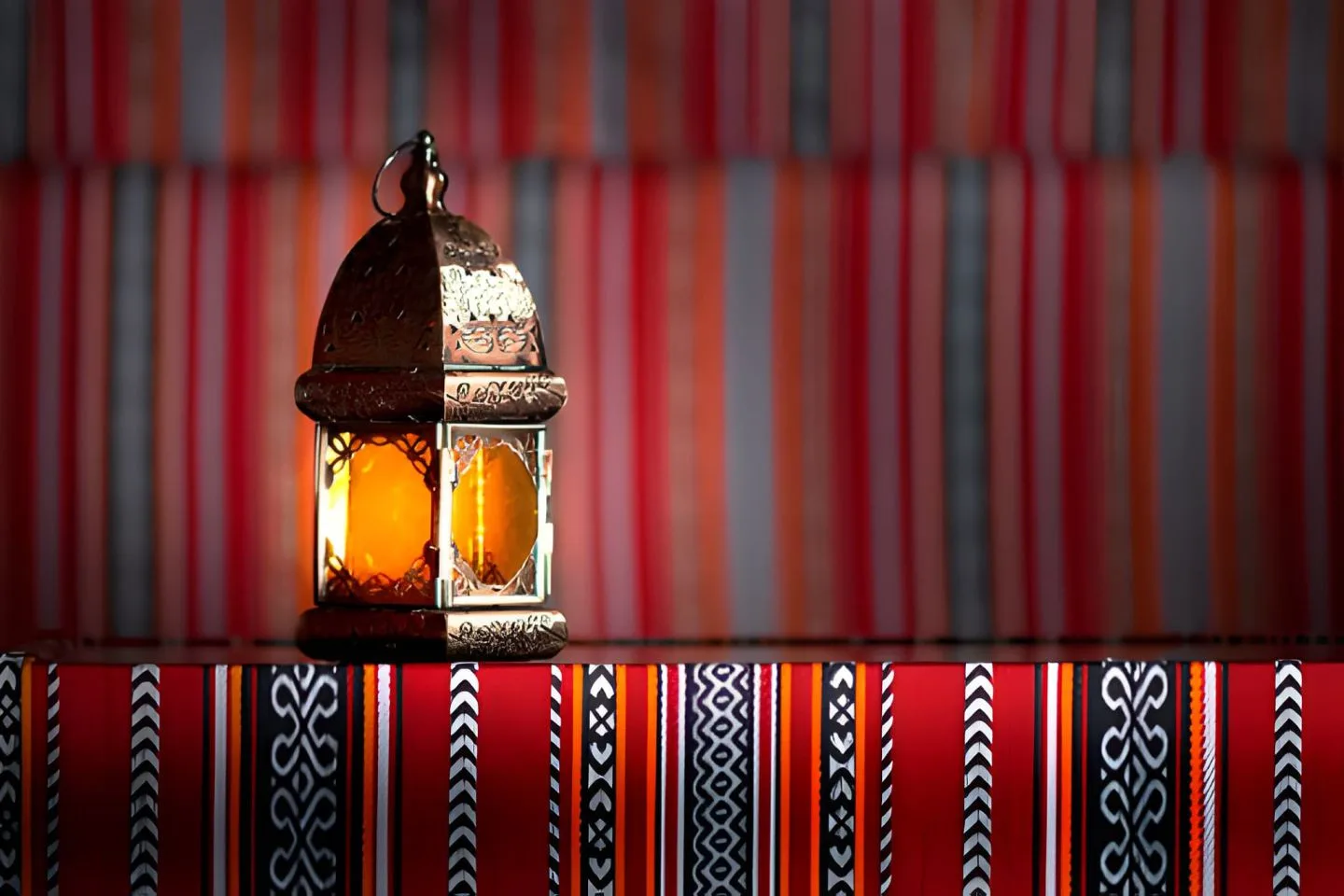
One of the most unique aspects of Ramadan in Saudi Arabia is how commerce and entertainment adapt to the holy month. Shopping malls extend their hours late into the night, offering special Ramadan sales and events. Traditional markets, known as souqs, bustle with life, selling aromatic spices, dates, lanterns, and festive decorations. For travelers, exploring local souqs in Saudi Arabia during Ramadan provides a glimpse into authentic culture and craftsmanship.
In recent years, the Saudi government has encouraged family-friendly entertainment during Ramadan, including cultural exhibitions, storytelling nights, and food festivals that celebrate local heritage. This mix of spirituality and social engagement makes the holy month both reflective and joyful.
Traveling to Saudi Arabia During Ramadan
Visiting during Ramadan offers a rare chance to witness Saudi Arabia’s most spiritual season. However, visitors should plan thoughtfully. Hotels and flights can book up quickly, especially near Makkah and Madinah. It’s best to schedule sightseeing around fasting hours—early mornings or post-Iftar evenings are ideal. Many tours, such as Jeddah Day Tours & Excursions or AlUla Day Tours, adjust their itineraries during Ramadan to match local customs.
If you’re considering a longer stay, explore exclusive Saudi Arabia Travel Packages that include cultural and religious highlights. The experience will leave you with a deep appreciation for Saudi hospitality and faith.
Eid al-Fitr: The Joyful Conclusion
As the crescent moon marks the end of Ramadan, Saudi Arabia bursts into celebration with Eid al-Fitr, the Festival of Breaking the Fast. This is a time of immense joy—families don new clothes, exchange gifts, and share lavish feasts. Streets shimmer with lights, and mosques fill with worshippers offering Eid prayers. For travelers, it’s a spectacular time to witness the Kingdom’s traditions and generosity firsthand. Local guides often include Eid experiences in special tours, giving visitors a front-row seat to Saudi Arabia’s vibrant culture.
FAQs About Ramadan in Saudi Arabia: What To Expect
What should non-Muslims do during Ramadan in Saudi Arabia?
Non-Muslims should respect fasting hours by avoiding eating, drinking, or smoking in public during the day. They can, however, enjoy meals within private or designated hotel areas. Dressing modestly and greeting locals with ‘Ramadan Kareem’ shows cultural sensitivity.
Are restaurants open during the day in Ramadan?
Most restaurants close during daylight hours but reopen after sunset for Iftar. Many hotels and international chains provide private dining options for non-fasting guests. Evening buffets and Suhoor menus become the highlight of Saudi dining during Ramadan.
Is it a good idea to travel to Saudi Arabia during Ramadan?
Absolutely. Ramadan offers a unique opportunity to experience Saudi spirituality and hospitality at its peak. Many attractions remain open, and visitors can join special cultural events. Just plan around fasting times, and you’ll enjoy an unforgettable journey.
What clothes should I wear during Ramadan?
Both men and women should dress conservatively. Women are encouraged to wear loose-fitting clothing that covers arms and legs, while men should avoid shorts or sleeveless shirts. Modesty is highly valued, especially in public and religious spaces.
Can tourists attend Iftar gatherings?
Yes, tourists are often welcomed at community Iftars. It’s a wonderful way to connect with locals, learn cultural values, and taste traditional dishes. Many travel operators, including those offering Saudi Arabia Day Tours, can arrange authentic Iftar experiences for visitors.